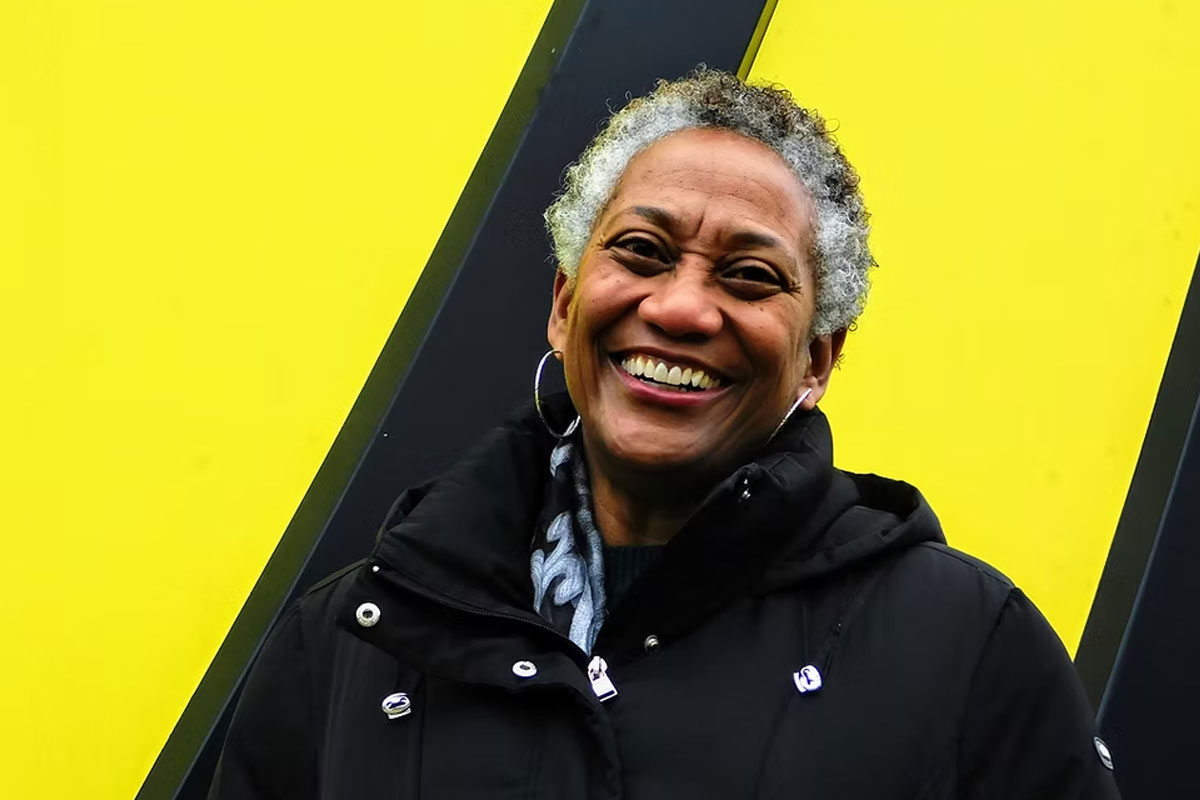

The captivating ping of a steelpan is more than just a sound; it’s a story of resilience, innovation, and cultural memory. For over four decades, Dr Dawn K Batson has dedicated her life to ensuring that the story is told with respect, excellence, and an eye firmly on the future. As a scholar, composer, and educator, her mission is to elevate the steelpan from its community roots to its rightful place in global concert halls and classrooms.
Her own story with the instrument began as a child in Trinidad, when she famously got lost in the bass section of the legendary Desperadoes Steel Orchestra at just 4 years old. That early fascination never left. After extensive training in classical piano, violin, and viola, the unique voice of the steelpan remained her central muse. She would go on to earn a PhD and become a pioneering academic, establishing the first steelband programs at the University of Miami and Florida Memorial University.
For Dr Batson, this academic work is an act of stewardship. “One of the main responsibilities of a steward is to remain true to the history and memory of those who created the art form,” she explains. She believes the foundation for any musician is a deep knowledge of the instrument’s history and traditions. Only with that solid base, she argues, can students feel free to experiment and push the art form forward, just as its creators did.
However, her vision extends beyond performance. A persistent theme in her work is the need for the communities that birthed the steelpan to reap greater benefits from it globally. She has long advocated for using the instrument as a tool for economic development.
This February, her immense contributions will be formally honoured at the 29th Annual Melton Mustafa Jazz Festival Weekend in Miami Gardens, Florida. Festival Director Melton Mustafa Jr notes the recognition reflects her “long-standing commitment to youth empowerment and steelpan arts”.
Looking ahead, Dr Batson sees the next critical step as the creation of global standardised curricula for steelpan and Caribbean music, paired with sustainable economic models. It’s about ensuring the instrument isn’t just heard worldwide, but that its legacy nurtures and empowers future generations.