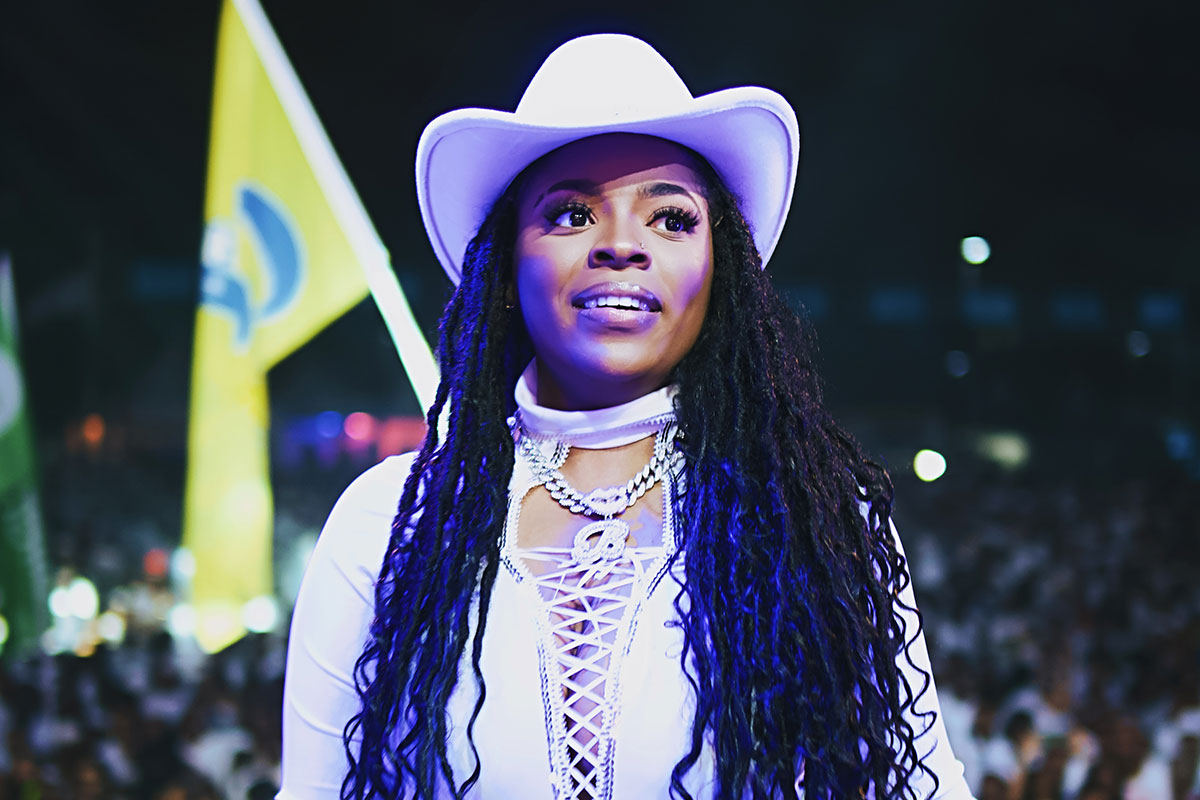

From working long hours as a nurse during the pandemic to performing on soca stages, Anika Berry’s journey has been shaped by care, strength, and a love for music. Music became her way of coping with the stress, and over time, it grew into something more, a new path and purpose. For Anika, soca is not just about entertainment; it’s a way to heal, connect, and stay grounded in her Caribbean roots.
In this interview, Anika shares how she made the move from nursing to music, what it’s been like as a woman in the soca scene, and the story behind her latest release, Saddle. She also talks about performing at Mawnin Breakfast Party, her excitement for London Carnival, and what’s next for her as she continues to grow as an artist.
What inspired your transition from nursing into music? Can you describe that turning point?
The transition began during the pandemic. As a nurse, I was on the frontlines, facing the unimaginable long hours, constant uncertainty, and emotional exhaustion. In the middle of all that chaos, music became my escape, my therapy, and eventually, my purpose. I started writing and creating more during those quiet, uncertain nights. Soca music, in particular, brought me joy and reminded me of the strength and beauty of Caribbean culture, even in the darkest times. That spark grew into a flame I couldn’t ignore.
Nursing taught me how to care deeply, work under pressure, and show up no matter what, all skills I now carry into my music career. But soca gave me life. It gave me back a piece of myself I didn’t even know I was missing. So I followed that energy. I took the leap not just as an artist, but as someone who believes music can heal, uplift, and unite just as powerfully as medicine ever could.
What has your journey as a woman in soca been like so far?
It’s been a powerful, emotional, and unforgettable ride. When I first began, I was pregnant and no one knew. I was carrying life in more ways than one: a child and a brand new dream. It was a personal time for me, but I still showed up with everything I had. That secret gave me strength. I knew I was building something for both of us. My first big show was Vibes With Voicey 2021, and that moment changed everything.
Standing on that stage confirmed that I was meant to be here. I didn’t have all the answers, but I had the fire. Since then, the journey has been full of highs, lessons, and growth. I’ve learned to navigate the business, refine my craft, and stand in my truth as a woman in soca. There were challenging moments, of course, but every win, every stage, and every message from someone saying my music touched them made it all worth it. Four years later, I’m still evolving, still representing for women, for mothers, and for dreamers. And, this is just the beginning.
Which of your songs best represents you as an artist?
Jamming is the song that best captures who I am as an artist. That track is pure energy, freedom, and vibes, but it’s also deeper than just a party song. “Jamming” represents confidence, self-expression, and joy.
When people hear that song, I want them to feel fearless. I want them to feel free. That’s the essence of who I am, and that’s the message I’ll keep delivering through my music.
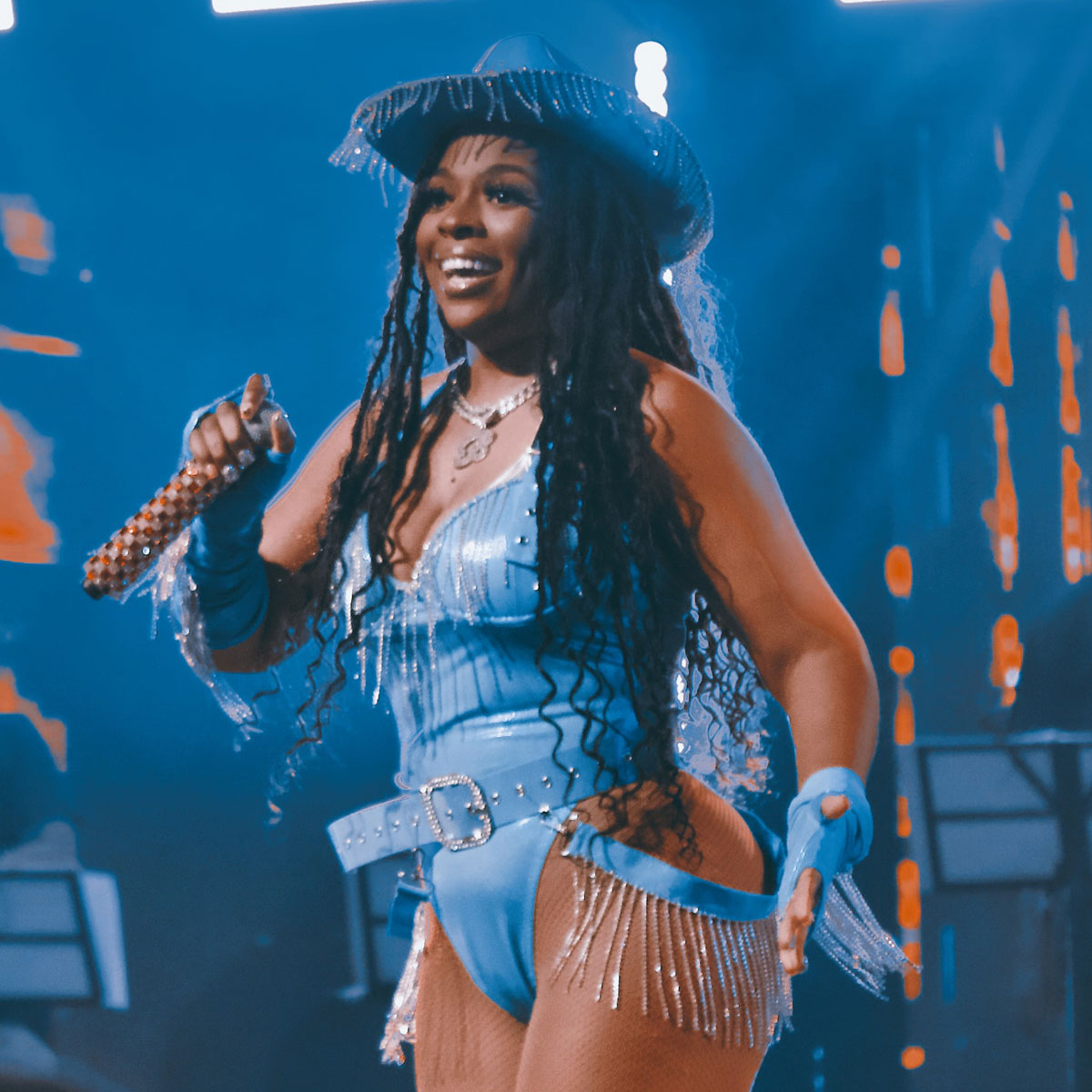
Tell us about your latest release, Saddle, and what it means to be part of the Tilden Hall Riddim.
Saddle on the Tilden Hall Riddim was written by Jason Shaft and produced by De Red Boyz. The riddim itself was named after Tilden Hall, a legendary New York venue where my family and many others would party. Iconic performers like Machel Montano, Farmer Nappy, Singing Sandra and Denise Belfon graced that stage.
The Tilden Hall Riddim was created to honour that golden era of Calypso by blending its classic sound with a fresh, modern twist. It’s a sound meant to connect generations, bringing nostalgia to some and new vibes to others.
When I first received the demo for Saddle, I instantly fell in love with it. The vibe was so familiar, like something I grew up with. Yet, there was still room for me to add my flavour and identity to the track. The riddim also features heavy-hitters like Machel Montano, Lyrikal, Voice, Yung Bredda, and Motto. As the newest artist on the lineup, I honestly didn’t know what to expect when it dropped.
But once the music video was released, the feedback was incredible. People connected with it immediately. Many said it gave them that nostalgic feeling of home. I’m forever grateful for the opportunity to be part of something that bridges the past and the present, while representing where I come from and where I’m going.

With Mawnin Breakfast Party coming up, how do you prepare differently for a breakfast show versus a night show?
Both types of shows require high energy and connection with the crowd, but breakfast shows are more about sparking energy, while night shows are about sustaining and elevating it.
For a breakfast fete, just like me, people are usually just waking up, or haven’t even slept yet. It takes a lot of tea and warming up my voice. Fetters are looking for feel-good vibes to start their day. I usually wear bright colours in my outfit, perform upbeat songs to lift the crowd, and create a more interactive performance style that helps people shake off their tiredness and get into the groove early. It’s about setting the tone for the day.
A night fete, on the other hand, is a whole different beast. My voice is already warmed up. The crowd is in full party mode, probably coming from other fetes, and ready to fete! My performance at night is usually more intense and sometimes more dramatic. Either way, I always make it my duty to give my all!
What excites you most about performing in the UK and London’s Carnival?
The UK audience has this unique blend of Caribbean pride and a deep love for soca and carnival culture. What excites me most is how receptive they are to the music. A lot of my supporters and Berry Pack are from the UK! They show genuine appreciation for the art form.
I love the diversity of the crowd, too. You see people from all over the world. Being able to connect with people, whether I’m on stage, in the crowd, or just liming on the road, reminds me how far soca has reached and how deeply it touches people.
Are there any collaborations, new music, or projects on the way? Where else can fans catch you this season?
I’ve got a collab coming with an artist from the Virgin Islands. I can’t say too much just yet, but just know, it’s going to be amazing! I can’t wait for you to hear it. I’m also working on a few collaborations with some incredibly talented artists and producers out of Trinidad and Tobago. These include both seasoned names in the game and fresh rising voices. It’s been inspiring to blend our styles and push the culture forward together.
Beyond that, I have unreleased Trinidad Carnival 2026 music and visuals that I’m getting ready to drop. You can also catch me live and in full effect at Miami Carnival, Tobago Carnival and Uber Soca Cruise.
Where do you see your career and soca music heading in the next few years?
I see my music on global stages, pushing soca to new heights while staying rooted in my Caribbean culture. I want to be one of the leading female voices in the genre, touring, collaborating, and creating music that moves people.
I’ll still maintain my nursing license, because healing is part of who I am, both on and off the stage. And I’m passionate about opening doors for other women and rising artists in the industry.
Keep up with Anika On @anikaberrymusic